

Selecting the right knee brace can be a daunting task when faced with all of the options on the market.
There are multiple unloading braces for knee osteoarthritis, knee braces for ligament instability,
knee braces for meniscal tears, knee braces for patellofemoral, and knee braces for patellar tendonitis… whew!
To add to the potential confusion, for each one of these conditions, there are multiple options for bracing
depending on patient lifestyle and degree of injury.
Selecting the right knee brace can be a daunting task when faced with all of the options on the market.
With our 1hr assessments, our goal at SoleFit with locations in
Ottawa and
Vancouver
is to ensure that we match up the perfect
knee brace
to the patient’s injury and lifestyle goals.
Here are a couple of things to consider when selecting the proper knee brace for your injury.
Things to Consider When Selecting the Proper Knee Brace
What injury is the knee brace meant to address?
This may seem obvious but we often see patients come through with knee braces that aren’t optimized
for their primary injury. A proper patient history is essential to understanding what condition
needs to be dealt with.
What activity will you be using the knee brace for?
This is a very important consideration to ensure compliance with wearing the knee brace.
We hate to think of patients with expensive knee braces sitting in the closet never worn because
the brace was too bulky, hot, or not fitting well.
Even for the same injury, we often recommend different knee braces based on lifestyle alone.
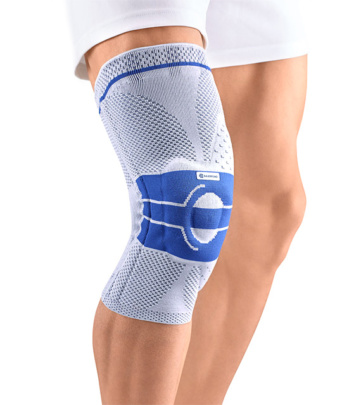
CASE A:
Moderate activity male with ACL surgery the previous year. Primary activity is walking his dog
2–3x per week. Minor swelling and discomfort post activity.
Suggested knee brace:
Bauerfeind GenuTrain
– medical grade compression knit, protection for mild ligament instability, pain relief,
lightweight and easy to put on.
CASE B:
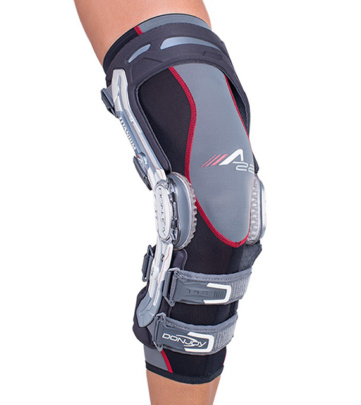
High activity female with ACL surgery 4 months ago. Rehab went well but returning to soccer and rugby
and concerned about knee integrity.
Suggested knee brace:
DonJoy A22
– lightweight titanium cage brace providing superior protection against re-injury.
CASE C:
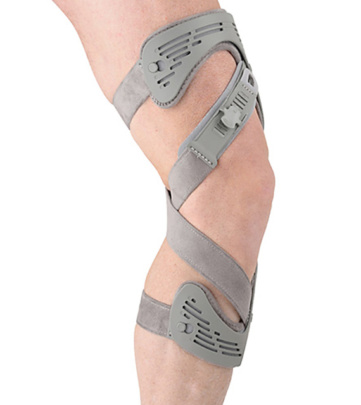
Low activity female with a 10-year-old ACL surgery, primarily concerned with osteoarthritis.
Activities include gardening and walking.
Suggested knee brace:
Ossur Unloader One
– lightweight brace that maximally unloads the affected knee, offering pain relief and stability.
Cost
Cost can be a determining factor when selecting a knee brace.
More expensive does not always mean better.
In many cases, off-the-shelf knee braces are a viable alternative to custom braces,
depending on leg shape and injury requirements.
Brand
There is no single “best” knee brace brand.
DonJoy
excels with ligament instability,
Ossur
is well known for osteoarthritis unloading braces,
and
Bauerfeind
produces excellent compressive knit braces.
Adjustments
Many knee braces can be adjusted after purchase.
Small tweaks can make a huge difference in comfort and long-term compliance.
When knee braces are necessary, they can make a huge difference in returning patients to a pain-free lifestyle.
Taking the time to choose the right brace matters.
We’d love to hear from you if you have any questions or comments.


