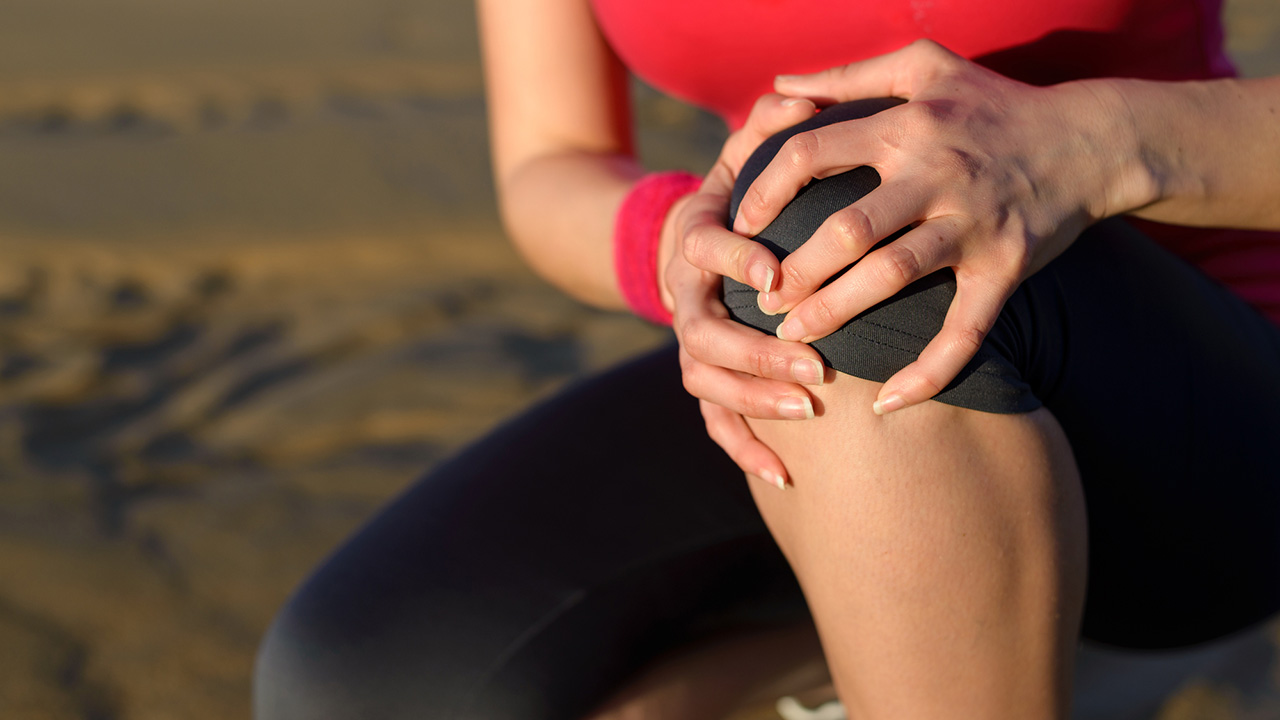
Patellofemoral Pain Syndrome (PFPS)
Experiencing knee pain underneath the kneecap with running or walking? Is it worsened by going up and down hills or stairs? If so, you may be experiencing Patellofemoral Pain Syndrome (PFPS).
PFPS is a common knee issue we see regularly at SoleFit. It occurs as a result of improper kneecap tracking and can be caused by a variety of contributing factors. To address this issue, your pedorthist may recommend a combination of short-term and long-term treatment strategies.
Short-Term Treatment Options
-
Footwear assessment:
Check your current walking or running footwear for abnormal wear patterns that may be affecting your feet, ankles, and knees. Evaluating your gait in these shoes can help determine whether the level of support is appropriate for your individual biomechanical needs. -
Training modifications:
For runners, this may include immediately reducing run duration while increasing frequency. These changes help reduce knee stress by avoiding pain-provoking loads and can improve recovery time. Over time, this makes it easier to safely increase training volume. -
Knee bracing, taping, and orthotic support:
Short-term options may include patella-tracking braces or sleeves to guide and stabilise the kneecap during recovery. Taping around the patella can also improve tracking and is often a cost-effective solution. Custom orthotics or off-the-shelf arch supports may help reduce discomfort associated with PFPS. -
Daily habit and ergonomic assessment:
Evaluation of posture, work ergonomics, and daily habits is important. This may include addressing prolonged sitting, hunched positions, and limited low-impact movement throughout the day. -
Mobility and range-of-motion improvements:
Improving comfortable movement at the hips, knees, and ankles can be achieved through daily static stretching, small amounts of yoga, or the use of mobility tools such as foam rollers, massage sticks, or products like Yoga Tune Up balls. -
Warm-up and cool-down strategies:
Your pedorthist can recommend effective warm-up and cool-down exercises to improve recovery. For most people with PFPS, this focuses on the quadriceps, hip flexors, hamstrings, and glutes. A dynamic warm-up routine is strongly recommended for regular walkers and runners.
SoleFit’s instructional video on warm-up and recovery strategies can be found here.