
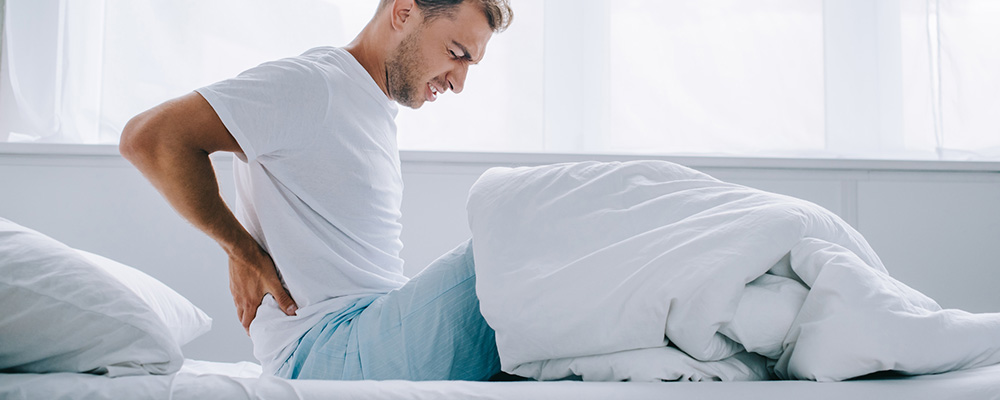
Back Pain, The Multi-Dimensional Condition
Back pain affects 60–70% of people in their lifetime. If we include specifically diagnosed conditions, that figure rises to 80%. Many clients question how back pain relates to their lower body mechanics. It has multiple causes: structural, injury-specific, or ergonomic. In rare cases, it may be linked to serious conditions.
Back pain is an issue that can affect 60–70% of people in their lifetime.
The lower vertebrae depend on trunk and pelvic stability, with pain common in the lumbar and sacral spine. The L4/L5 vertebrae, located near the body’s center of mass, are crucial for movement and balance.

Majority of back pain sufferers experience discomfort in the lumbar and sacral spine. Function at L4/L5 is vital to keep balance and efficient movement.
Back pain is often diagnosed as an acute injury or a degenerative condition, both easily aggravated by improper movement, repetitive strain, or structural weakness. Assessing posture, alignment and functional movement helps improve spinal health. Ergonomics, therapies, and education all play a role in back care.
*Serious underlying causes like infections, tumors, or inflammatory diseases should be assessed by a specialist.
Common Causes of Back Pain
- Age: Loss of tissue elasticity and bone density leads to back issues from age 30+.
- Repetitive strain: Seen in ‘weekend warriors’ or seasonal exertion like shoveling or golfing.
- Weight gain: Inactivity can lead to increased load on the spine, aggravating pain.
- Muscular imbalance/joint instability: Poor biomechanics across joints can lead to spinal dysfunction.
- Sedentarism: Sitting too long restricts the spine and increases tension across body systems.
- Occupational risk: From lifting to desk jobs, poor ergonomics can worsen back issues.
- Poor posture: Misaligned walking, standing or poorly designed shoes (e.g. high heels) strain the spine.

Left: upright posture. Middle: 2” heel shifts angle to 70°. Right: body compensates posture to avoid falling forward.
Mental Health: Psychological stress and chronic pain influence each other. The body and mind are deeply connected in how we experience pain. It’s a whole package!
Treatment Considerations for Back Pain
Every person is unique — treatment should be individualised. Custom orthotics may help, but understanding the root cause, not just the symptoms, is key to lasting improvement.
Time off doesn’t truly fix back pain.
Treatment Options for Back Pain
- Physiotherapy & Exercise: Learn to correct imbalances. Start with McGill’s Big 3 exercises.
- Mobility & Massage: Daily motion practices or professional manual therapy are essential.
- Heat & Cold Therapy: Heat can relax tight muscles. Cold is short-term but may increase stiffness.
- Functional Exercise: Practices like yoga or Pilates improve mobility, but must be tailored individually.
- Spinal Manipulation: Chiro/osteopath/manual therapy works best when paired with self-care routines.
- Modalities: Includes TENS, ultrasound, acupuncture – all support healing when used with movement.
- Orthopaedic Devices: Bracing, orthotics can support alignment but don’t solve the root issue alone.
- Ergonomic Review: Workspace adjustments and movement planning are key for sustainable relief.
No Silver Bullet; Patience is a Virtue
Back pain is complex and unique to every individual. It fluctuates with life’s demands. The solution is rarely a single fix. Ongoing self-awareness and integrated care provide the best shot at improvement.


