
The Legend of Achilles
According to Greek legend, the unstoppable warrior Achilles was shot with an arrow in his left heel—the one vulnerable part not dipped in the River Styx. This led to his downfall, as the injury affected the tendon connecting his calf to his heel bone (calcaneus). Fortunately, modern Achilles injuries aren’t usually fatal. We haven’t seen any arrow wounds yet—but never say never!

Achilles tendon issues may not end battles, but they can seriously limit activity levels.
A tendon is a thick matrix of fibrous tissue that connects muscle to bone. It transfers the muscle’s force to the bone during movement. Damage occurs with excessive stress. Proper mechanics and muscular support are key to protecting tendons. The Achilles tendon suffers from poor blood supply and depends on calf muscle movement for nourishment. It must remain supple, along with supporting muscles, to function well.
A tendon is a thick matrix of strong fibrous tissue that connects a muscle to a bone.

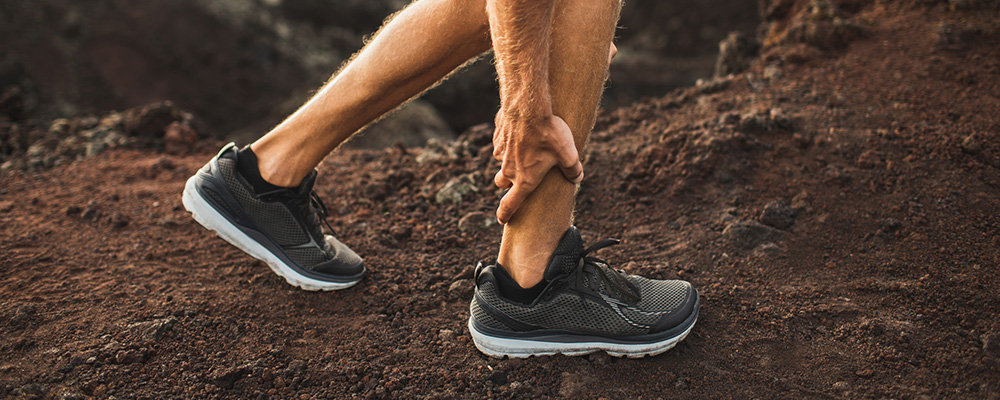
The Achilles connects the calf to the heel bone. Often, the pain is felt at the attachment point, though the cause may originate higher up the chain. Early treatment is key.
Achilles tendinitis often begins with a mild ache above the heel after activity. Sharp pain can follow prolonged or intense motion such as running or stair climbing. Morning stiffness that improves with movement is typical.
Achilles tendinopathy is degeneration from repetitive micro-injuries. Over time, tissue integrity weakens, leading to chronic pain and dysfunction. Causes include poor foot posture, improper footwear, or poor circulation.
Achilles tendon rupture is an acute tear, mostly in adults aged 30–50, often during intense sports. It requires immediate surgery and long rehab.
Risk factors include sudden increases in activity, inappropriate footwear, tight calf muscles, poor warm-up, and underlying injuries. Prevention and early intervention are key.
Common Causes of Achilles Tendinopathy
- Sudden increase in activity (too much, too soon)
- Sports with quick directional changes (e.g., tennis, basketball)
- Poorly fitted or worn-out shoes
- Uneven terrain or hill running without adaptation
- Stiff specialty footwear (e.g., cleats, ski boots)
- Tight calf muscles or excessive tension in legs
- Bone spurs irritating the tendon
- Foot instability or weak calf muscles
- Inadequate warm-up before exercise
- Lack of stretching and prolonged inactivity
- Frequent use of elevated or restrictive footwear
- History of foot or ankle injuries
- Dehydration and systemic inflammation
Ways to Treat and Prevent Achilles Tendinopathy
Treat injury along a continuum: protect damage, restore function, and build strength. Avoid short-term fixes and focus on long-term improvement.
Treatment Continuum
- Protect Damage (A): Reduce strain and avoid further injury
- Restore Function (B): Improve movement and tissue quality
- Adapt Strength (C): Strengthen to withstand future stress
Short Term Measures
- Mobilize: Gentle motion, heat, and self-massage help reduce strain (A, B)
- Avoid Barefoot: Use heeled footwear during pain phase to reduce tendon stress (A)
- Lift & Support: Temporary heel lifts and orthotics (A)
- Light Therapy: Infrared therapy supports collagen healing (B, C)
- Adjunct Therapy: Physio, massage, acupuncture, TENS etc. (B, C)
- Source Treatment: Target calf mobility, circulation, and movement (B)
- Tools: Use of splints, heel lifts, or taping if needed (B)
- Reduce Load: Lower intensity but keep moving (B, C)
Long Term Objectives
- Improve ROM: Gradually move toward flatter footwear to lengthen the tendon
- Daily Mobility: Address hip-to-ankle coordination
- Strength Training: Eccentric and progressive load building
- Barefoot Strength: Slowly phase in barefoot exercises
- Hydration: Ensure adequate daily water intake
- Reduce Inflammation: Opt for anti-inflammatory foods
- Feed Tissue: Use bioavailable collagen to rebuild tendon structure
Achilles issues can be limiting, but recovery is possible. With smart movement, strategic load management, and proper therapy, most people return to activity. Healing takes time—tendons may need 27 weeks for full repair. Be patient, persistent, and kind to your body—it will repay the effort!


